Key Components
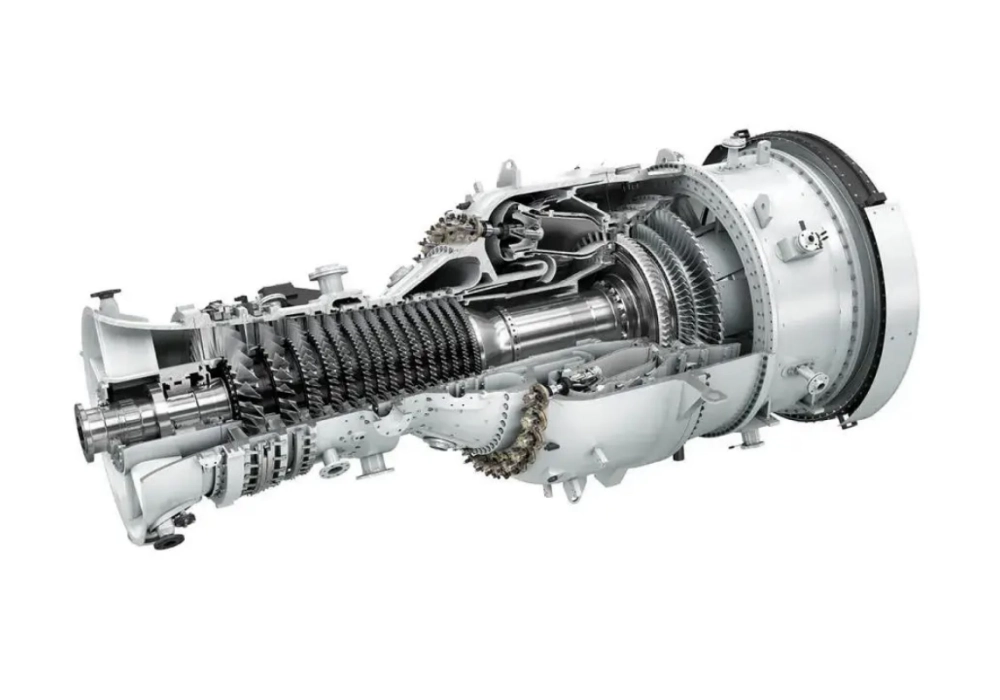
Gas turbines represent the pinnacle of precision manufacturing, with their core components demanding exceptional resistance to both high temperatures and high pressures:
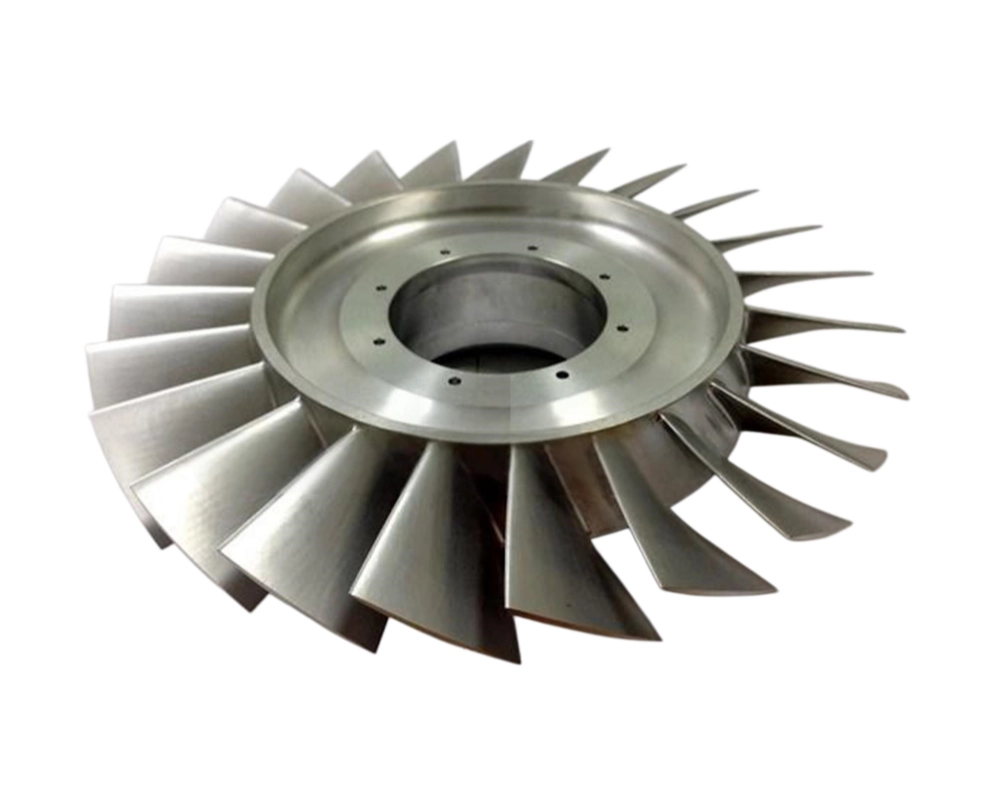
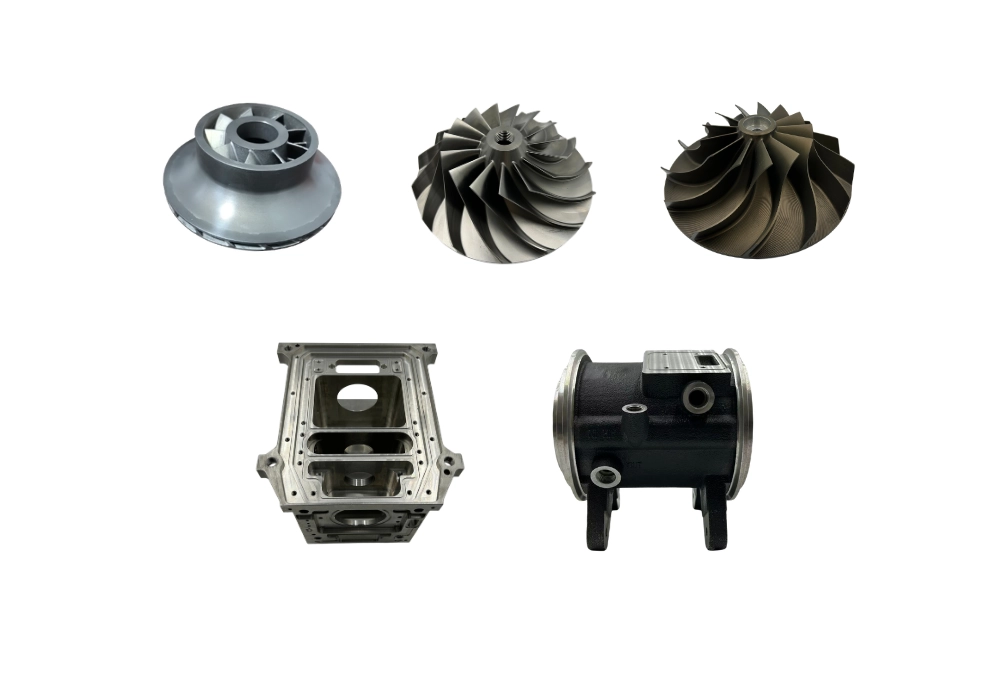
Compressor: Responsible for drawing in and compressing air. The manufacturing precision of its blades directly impacts the overall efficiency of the unit.
Combustor: The chamber where fuel and air mix and combust; it requires the use of specialized heat-resistant alloys and advanced cooling technologies.
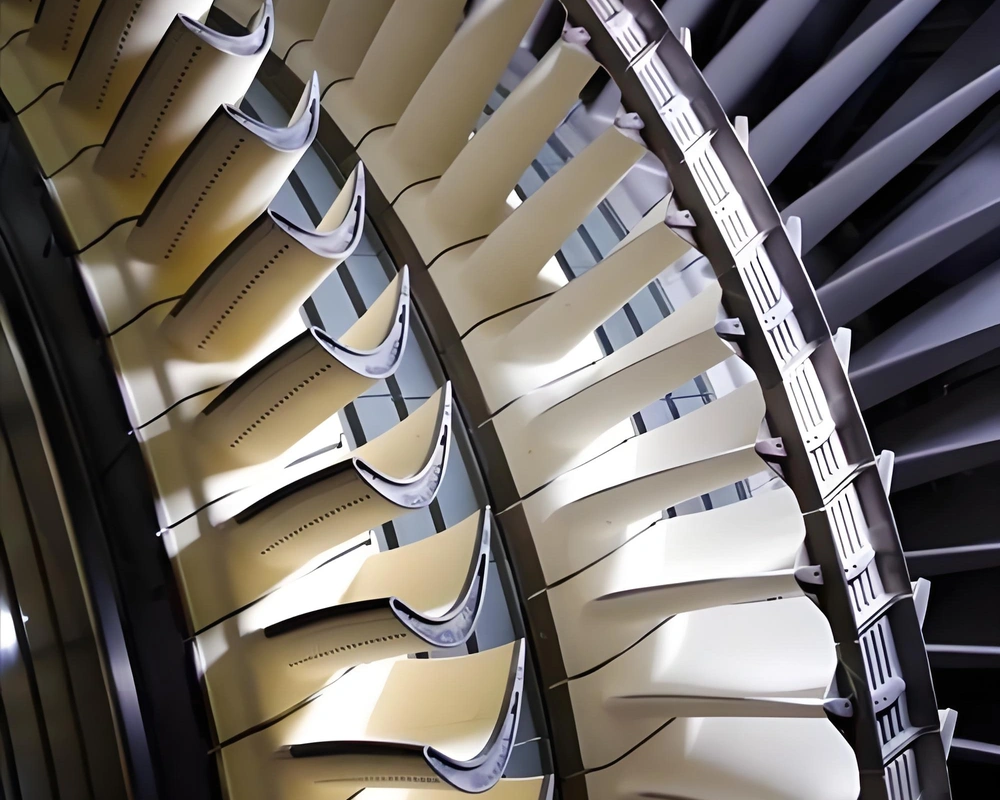
Turbine: The absolute core of the gas turbine system. Turbine blades are typically fabricated from single-crystal superalloys and feature intricate, precision-drilled cooling channels to withstand temperatures exceeding their own melting points.
Rotor & Bearings: Components that support the high-speed rotating assemblies; magnetic levitation bearing technology is gradually finding application in specific niche segments within this field, such as microturbines.