


Related posts
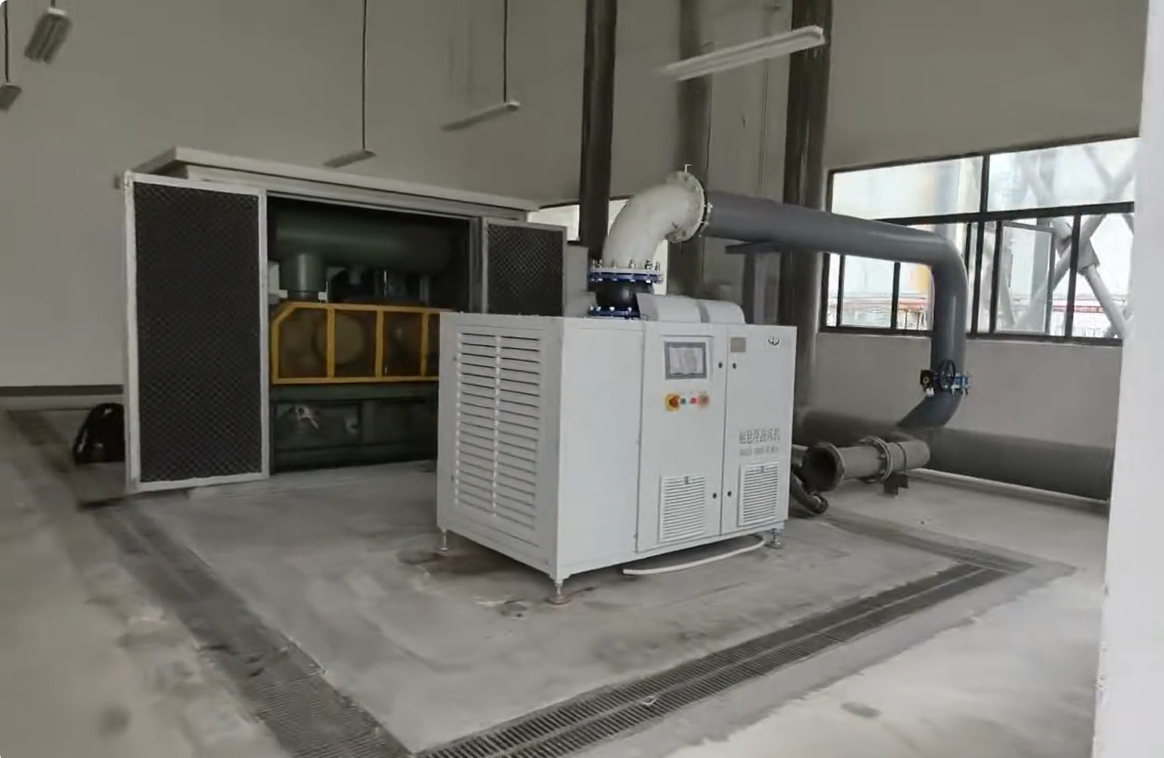
Cut Energy Use by 37%: Maglev Blower Upgrade in Waste-to-energy Plant

Introduction: In the Waste-to-Energy (WtE) industry, primary combustion air supply systems often suffer from high energy consumption, severe noise, frequent maintenance, and vulnerability to harsh environments. A WtE plant in Guizhou successfully retrofitted its system by replacing a traditional 110...
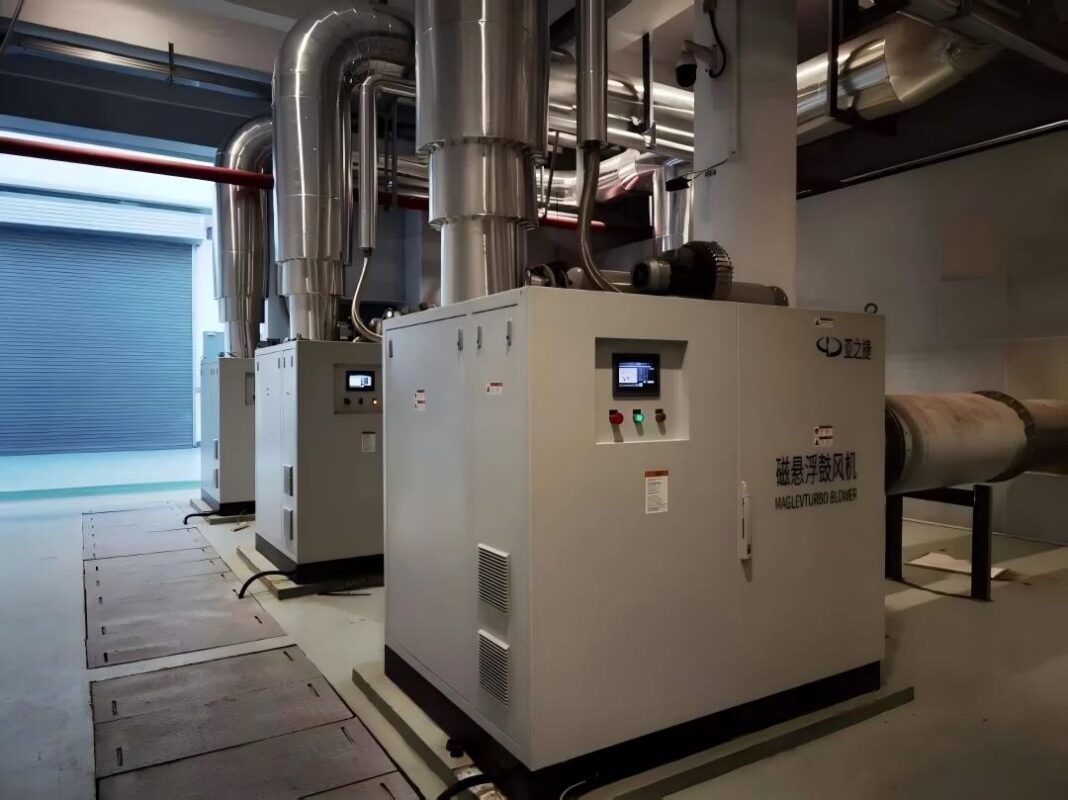
3 Years of Zero Failures! Three 150kW Maglev Blowers for Wastewater Treatment
Excerpt: Operating continuously for 3 full years with zero downtime and zero lubricant maintenance. Discover how three YZJ 150kW Magnetic Levitation Blowers optimized aeration energy consumption for a major Shanghai wastewater treatment plant..
In modern municipal and industrial wastewater ...
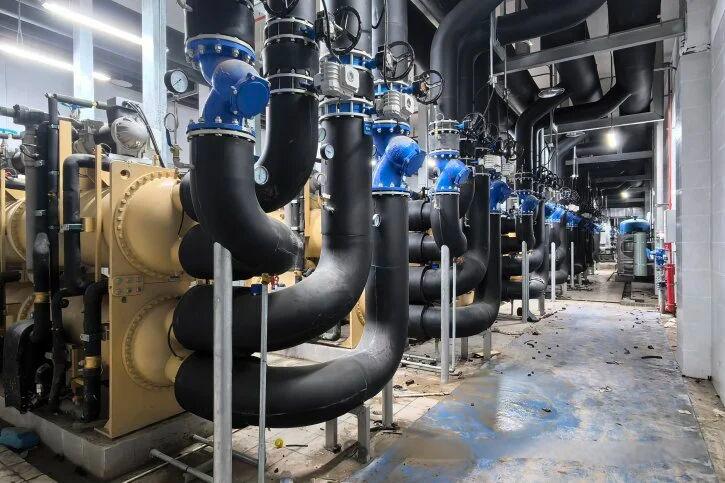
Green HVAC Retrofit: 130,000㎡ Maglev Chiller Project Completed
Excerpt: Driven by Masco Dynamics, the large-scale HVAC energy retrofit project for a 130,000㎡ commercial complex has successfully reached completion. Utilizing high-efficiency YZJ Maglev Chillers, this project delivers a frictionless, zero-oil, and ultra-energy-saving solution for commercial real e...
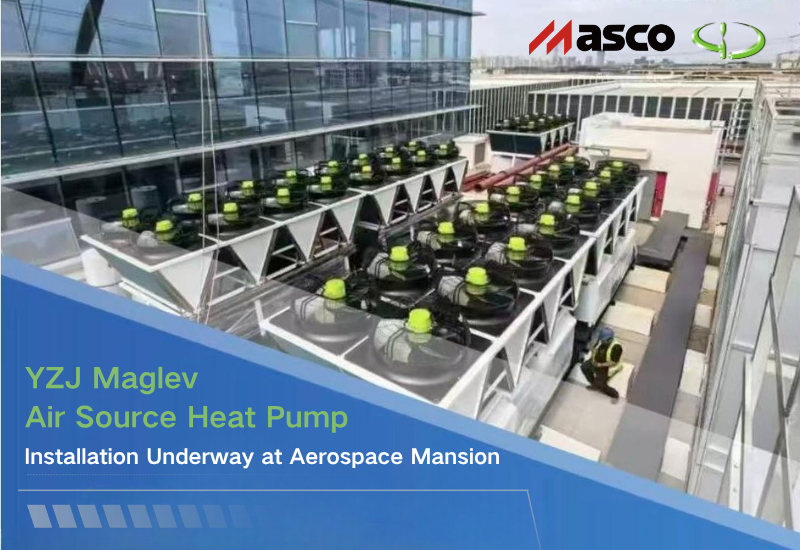
YZJ Maglev Air Source Heat Pump Installation Underway at Aerospace Mansion
Excerpt: A major milestone for green building retrofits! The high-efficiency Maglev Air Source Heat Pump units by YZJ Dynamics have been successfully hoisted and are now undergoing full-scale installation at the Aerospace Mansion, offering 30%+ energy savings. Recently, agai...

Maglev Centrifugal Blowers: Revolutionizing Energy Efficiency in Biological Aeration Processes
In the operation of modern municipal and industrial wastewater treatment plants (WWTPs), balancing "effluent compliance" with "operational cost (OPEX) optimization" remains a central challenge. While a wastewater plant comprises multiple stages, the single most critical and energy-intensive stage is...
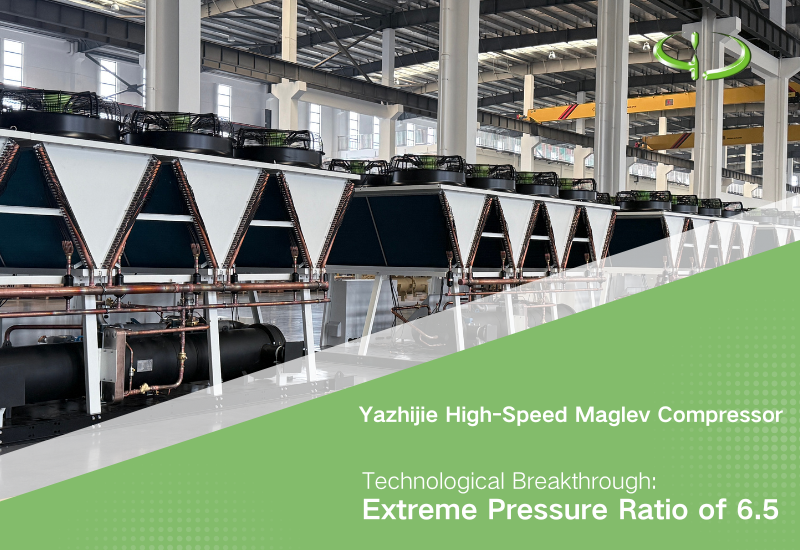
YZJ Dynamics Breaks Industry Barriers with 6.5 High-Pressure Ratio Maglev Compressor Technology
Achieving a "single-motor high-pressure ratio" in maglev centrifugal compressors is a universally recognized technical barrier in the HVAC sector. Conventional single-stage units rarely exceed a pressure ratio of 3.6, and mainstream two-stage heat pumps are strictly limited to the 4 to 5 range.To su...
Why Maglev and Screw Air Compressors Have Completely Different Sizing Logics
In the air compressor industry, miscalculating your equipment sizing can lead to two disasters: either a "big horse pulling a small cart" that burns through your energy budget, or constant system shutdowns that halt production.The root cause of this confusion usually comes down to one overlooked tec...

Data Center
In the digital era, Data Centers and Al Computing Centersrepresent the premier application arena for magnetic-bearingcompressors. Fundamentally, these facilities function as "heatsinks," where the energy consumption of their cooling systems(HVAC) typically accounts for over 90% of non-IT energy usag...

Commercial Buildings
In modern commercial real estate, balancing occupant comfort, long-term operational cost-effectiveness, and sustainability commitments is a universal challenge for premium offices, luxury hotels, and commercial complexes. Our Commercial HVAC Solutions are specifically engineered to address these dem...
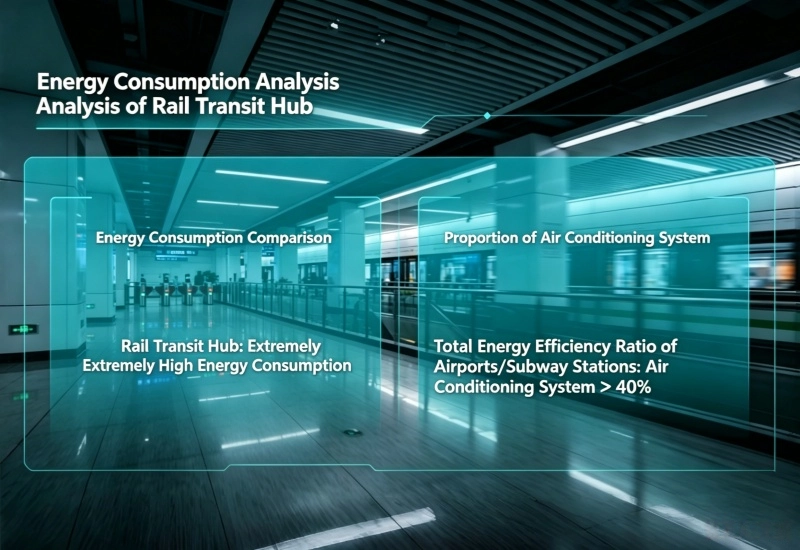
Rail Transit
Rail transit hubs like subway and railway stations are high-density public spaces operating round-the-clock under complex conditions. Our Rail Transit HVAC Solution focuses on addressing ventilation and cooling challenges in underground and expansive station environments. By integrating reliable, oi...
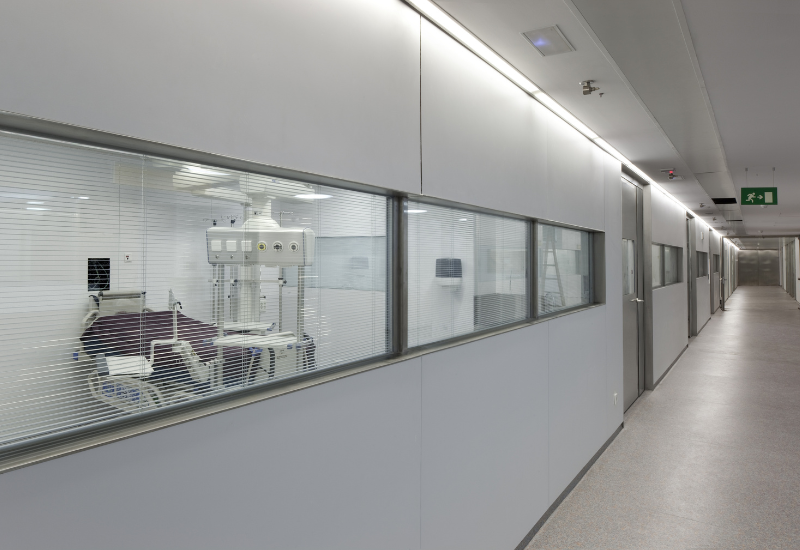
Public Facilities
Large public facilities, such as hospitals, exhibition centers, and stadiums, feature expansive spaces and diverse HVAC requirements depending on their function—hospitals demand strict air cleanliness and infection control, while venues and stadiums must manage fluctuating passenger loads in massive...

Cold Chain Logistics
Industry Pain Points & Needs
In the realm of warehousing and cold chain transportation, "constant temperature stability" and "energy efficiency" serve as key performance indicators. For large-scale cold storage facilities and long-distance cold chain operations—which requir...


Recent Comments